Is it high FODMAP?
Check one serving of a food, see how much stays low, and find a swap that works for you.
Garlic: high at this serving.
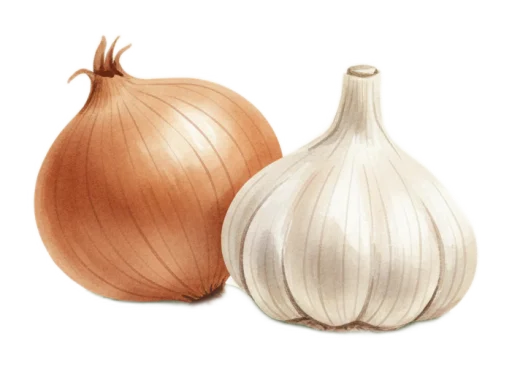
Garlic
Fructans and GOS are what counts here: plant fibers your body can’t digest, so your gut bacteria ferment them.
FODMAP types in this serving
- Fructans and GOSOver the line
- Excess fructoseNone
- LactoseNone
- PolyolsNone
Swaps
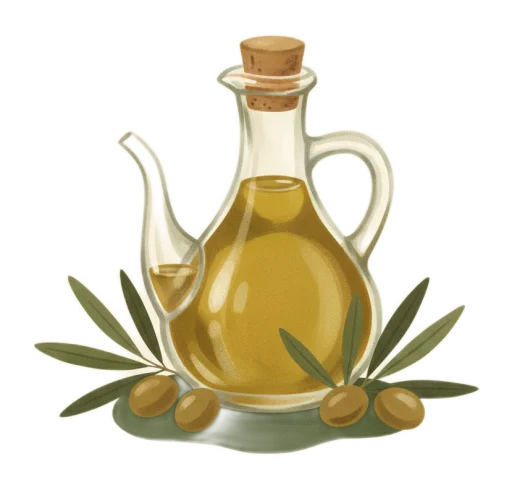 Garlic-infused oil, 1 tbspFructans don't dissolve in oil, so you keep the flavor.Low
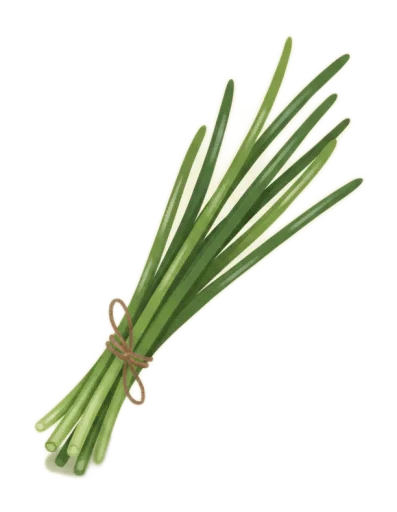 Chives, 1 tbsp choppedA mild garlic-onion note on top.Low
Your plate is empty.
Build a meal
Add the foods you'd eat together. Amounts of the same FODMAP type add up across a meal, so two foods that are each a little high can push it over the line.
Your plate is empty. Add a food below, or from any result above.
The black mark is the low line for one meal.
Add foods to check a meal.
How FODMAPs work
FODMAPs are carbs your small intestine absorbs slowly or barely at all. They pull water into your gut, and your gut bacteria ferment what's left into gas. Most people never notice. In a sensitive gut they often bring bloating, cramps or an urgent trip to the bathroom.
The name stands for fermentable oligosaccharides, disaccharides, monosaccharides and polyols.
Fructans and GOS
Wheat, onion, garlic, beans and lentils
Nobody fully digests them, so they always reach the colon, where bacteria ferment them. GOS, short for galacto-oligosaccharides, are the ones in beans and lentils.
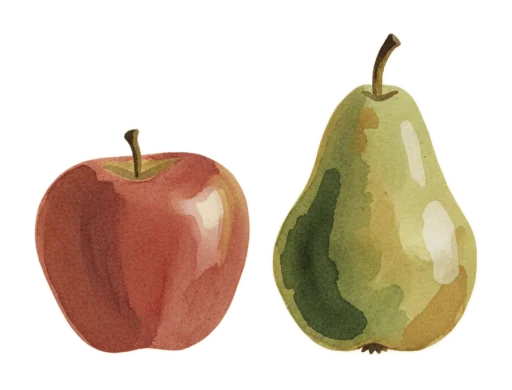
Excess fructose
Apples, pears, honey and mango
Absorbed slowly when a food carries more fructose than glucose.

Lactose
Milk, yogurt and soft cheese
Digested by lactase, an enzyme many adults make less of.
Polyols
Mushrooms, avocado, stone fruit and sugar-free sweets
Sugar alcohols like sorbitol and mannitol that pull water into the gut.
Where you feel it
Every type has a low line per serving, and amounts of the same type add up across a meal. The tubes and the meal builder above show both.
The low-FODMAP approach
- 1 Cut back Eat lower-FODMAP versions of your usual meals for 2 to 6 weeks and see whether symptoms ease.
- 2 Bring back Reintroduce one type at a time to find the ones that bother you.
- 3 Keep what works Many people end up limiting only one or two types and eat everything else.
Keep the cut-back phase short.
Months of strict eating can starve the fiber-loving bacteria in your gut.Many people react to only one or two FODMAP types.
Gut Twin helps you find yours with a 14-day test on your own body, so you keep every food that's fine for you.
Based on published research and national food tables.